

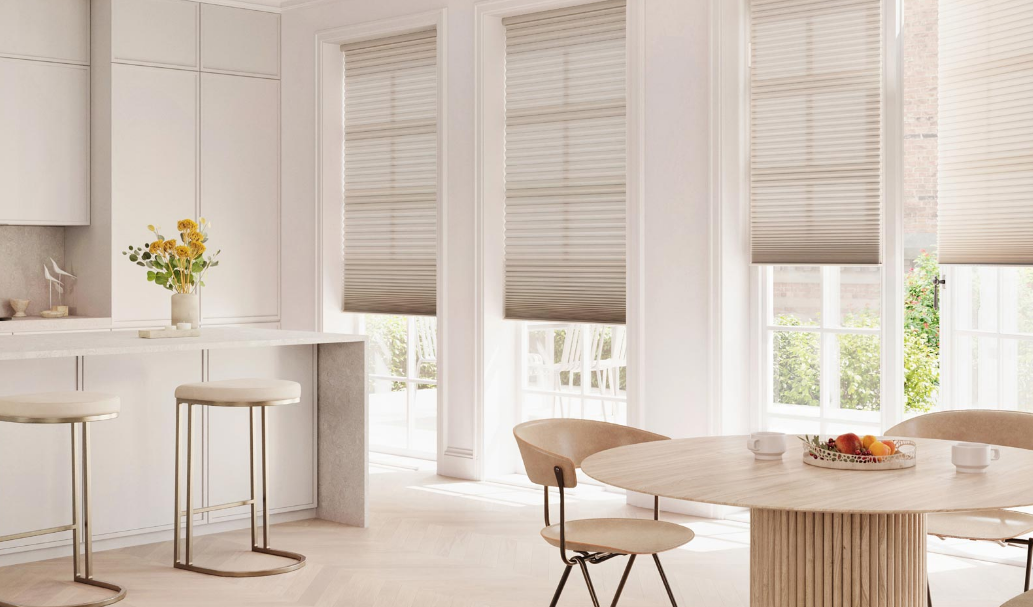
When people think about decorating a room, they often focus on furniture, wall colors, or lighting. Yet one design element quietly influences the entire atmosphere of a space: window treatments. In simple terms, window treatments are coverings or design elements installed around or over windows to manage light, privacy, insulation, and aesthetics. They include items such as curtains, blinds, shades, shutters, and valances, each serving a unique purpose in both form and function.
Imagine a room with bare windows. Even if the furniture is stylish, something feels unfinished. That’s because windows act like the eyes of a room, and window treatments are the eyelashes and frames that complete the look. They soften harsh sunlight, create privacy from the outside world, and introduce texture and color that tie an interior design together.
From a practical perspective, window treatments also play a role in energy efficiency. According to data from the U.S. Department of Energy, properly selected window coverings can reduce heat gain in summer and minimize heat loss in winter. This means that something as simple as installing insulated curtains can actually lower energy bills while making your home more comfortable.
Eclipse Blinds is a family-owned and operated business that specializes in offering the people of the greater Knoxville area with custom blinds, shades and interior shutters. They understand that customers want the best deal on the best quality the first time, no haggling back and forth over nickels and dimes.
Why Window Treatments Matter
Many homeowners underestimate how much window treatments influence both comfort and aesthetics in a space. At first glance, they may appear to be purely decorative, but their role extends far beyond appearance. In reality, window treatments act as a multi-purpose solution that balances style, functionality, and even energy performance within a home.
One of the most obvious reasons window treatments matter is light control. Natural light is wonderful, but too much of it can create glare on screens, fade furniture, and overheat a room. A strategically chosen blind, shade, or curtain allows you to regulate the intensity and direction of sunlight throughout the day. Think of window treatments as a dimmer switch for daylight—you decide how bright or soft the room feels at any moment.
Privacy is another major factor. In urban areas or homes with nearby neighbors, uncovered windows can make a room feel exposed. Window treatments provide a comfortable boundary between indoor living and the outside world. For instance, sheer curtains allow daylight to filter in while still obscuring direct views into the room. Meanwhile, blackout curtains or layered drapes create complete privacy when needed.
Window treatments also contribute to temperature control. Research suggests that around 30% of a home’s heating energy can be lost through windows. Heavy drapes, honeycomb shades, and thermal curtains can help reduce this energy loss by adding an insulating layer. During summer, reflective blinds or solar shades can block excess heat, keeping interiors cooler.
In many ways, window treatments operate quietly in the background, improving how a space looks and feels without drawing attention to themselves. Yet once they’re removed, the difference becomes obvious. A well-designed room almost always includes carefully chosen window coverings because they bring together light, privacy, temperature, and style in one cohesive design solution. 🌞
Functional Benefits of Window Treatments
Window treatments are often chosen for their beauty, but their functional advantages are equally impressive. Beyond style, these coverings help regulate light, improve comfort, and enhance the overall usability of a space. Understanding these benefits can make the difference between simply decorating a window and truly optimizing it.
Another major advantage is privacy control. Without window treatments, interiors are often exposed to outside view, particularly at night when indoor lights are on. Options such as layered curtains, top-down bottom-up shades, or adjustable blinds allow homeowners to maintain privacy while still enjoying natural light.
Energy efficiency is another hidden benefit many people overlook. According to energy efficiency studies, cellular (honeycomb) shades can reduce heat loss through windows by up to 40% in certain climates. These shades trap air within their honeycomb structure, creating an insulating barrier between indoor and outdoor temperatures. In summer, reflective blinds or solar shades reduce heat gain, helping maintain a cooler interior environment.
Window treatments also protect interior furnishings. Direct sunlight can cause UV damage over time, fading carpets, wooden furniture, artwork, and upholstery. Solar shades and UV-blocking fabrics help preserve these items by filtering harmful rays before they reach interior surfaces.
There’s also a surprising benefit related to noise reduction. Fabric-based treatments like heavy curtains and layered drapes absorb sound waves, reducing echoes and outside noise. This makes them particularly useful in apartments, city homes, or houses located near busy streets.
Safety and convenience have improved as well thanks to modern innovations. Cordless blinds and motorized shades reduce hazards for children and pets while offering a sleek, minimalist look. Smart home integration allows users to schedule their window coverings to open and close automatically, improving both comfort and security.
Types of Window Treatments
Walk into a home décor store or browse an interior design website and you’ll quickly realize there are many different types of window treatments. Each type offers its own balance of style, functionality, and practicality. Understanding the major categories helps homeowners choose the best option for their specific needs and design preferences.
Broadly speaking, window treatments fall into two main categories: soft treatments and hard treatments. Soft treatments are made primarily from fabric, such as curtains and drapes. Hard treatments are constructed from materials like wood, vinyl, metal, or composite materials, including blinds and shutters. Many modern homes use a combination of both, layering them together to achieve a polished and flexible design.
Curtains and drapes remain some of the most recognizable window treatments. They add elegance and softness to a space while offering various levels of light filtering depending on the fabric. Light cotton curtains create an airy, relaxed feel, while thick velvet drapes bring drama and luxury.
Blinds are another widely used option. They feature adjustable slats that tilt to control sunlight and privacy. Common materials include aluminum, vinyl, wood, and faux wood. Blinds are especially popular in offices, kitchens, and modern interiors where clean lines are preferred.
Shades are similar to blinds but typically consist of a continuous piece of fabric or material that rolls or folds. Roman shades, roller shades, and cellular shades are among the most popular styles. These provide a sleek, streamlined look while still offering excellent light control.
Shutters represent a more permanent architectural solution. Often made from wood or composite materials, shutters are mounted directly within the window frame and feature hinged panels with adjustable louvers. They’re particularly popular in traditional, coastal, and farmhouse-style homes.
Some homeowners go a step further with decorative accents like valances, cornices, and swags. These treatments don’t necessarily cover the entire window but add visual interest and conceal hardware.
Modern technology has introduced motorized and smart window treatments, allowing blinds or shades to operate automatically through remote controls, apps, or voice assistants. This innovation is increasingly common in smart homes where convenience and energy efficiency are priorities.
With so many options available, choosing the right type of window treatment often depends on the room’s purpose, design style, and personal preferences. Understanding these categories provides a strong foundation for creating windows that are both functional and visually appealing.
Curtains and Drapes
Curtains and drapes are among the most recognizable and widely used window treatments in homes around the world. While many people use the terms interchangeably, there is actually a subtle difference between them. Curtains are typically made from lighter fabrics and are often unlined, allowing natural light to gently filter into the room. Drapes, on the other hand, are heavier, usually lined, and designed to block more light while offering a more formal appearance.
One of the biggest advantages of curtains and drapes is their design versatility. They come in an almost endless variety of fabrics, patterns, colors, and lengths. Whether someone wants a breezy coastal vibe or a dramatic luxury aesthetic, fabric window treatments can achieve that goal. Sheer curtains create a light and airy feel, while velvet drapes add depth, warmth, and elegance to a room.
Curtains and drapes also help with temperature regulation and energy efficiency. Thick, lined drapes act like an insulating barrier between the window and the room. During winter, they help keep warm air inside. During summer, they can block intense sunlight and reduce heat buildup.
Interior designers often recommend layering curtains with other window treatments. For example, pairing sheer curtains with blackout drapes provides both daytime brightness and nighttime privacy. This layered approach not only improves functionality but also adds visual depth and dimension to a space.
The hardware used for curtains also plays a role in their overall style. Curtain rods, rings, and finials can range from simple modern designs to ornate decorative pieces. When chosen carefully, these elements complement the room’s décor and elevate the overall look.
Blinds
Blinds are one of the most practical and popular window treatment options, particularly in modern homes and offices. Their defining feature is a set of adjustable slats that can tilt open or closed to control the amount of light entering a room. This simple yet effective design gives users precise control over both brightness and privacy.
One reason blinds are so widely used is their versatility in materials. They are available in aluminum, vinyl, wood, faux wood, and composite materials. Each type offers different benefits. For instance, aluminum blinds are lightweight and durable, making them common in offices. Wooden blinds bring warmth and elegance to residential spaces, while faux wood options resist moisture and are ideal for kitchens and bathrooms.
Blinds are also known for their clean and structured appearance. Unlike flowing curtains, they create crisp horizontal or vertical lines that suit contemporary interior design styles. Many homeowners prefer blinds in minimalist spaces where simplicity and functionality take priority.
Shades
Shades offer a sleek and modern alternative to traditional blinds and curtains. Unlike blinds, which consist of individual slats, shades are typically made from a single continuous piece of fabric or material that can be raised or lowered to control light and privacy. This simple structure gives them a clean, streamlined appearance that works well in both contemporary and classic interiors.
Shades are particularly effective at light filtration. Depending on the fabric, they can allow soft diffused light to enter a room or block sunlight almost entirely. Solar shades, for example, reduce glare while still maintaining outside views, making them ideal for living rooms and offices.
Energy efficiency is another major advantage. Cellular shades are known for their insulating properties, which help regulate indoor temperatures. The honeycomb design traps air within its pockets, creating a barrier that reduces heat loss in winter and heat gain in summer.
Design flexibility also makes shades appealing to homeowners. They come in numerous colors, patterns, and textures that complement different décor styles. From neutral tones that blend seamlessly into a minimalist design to bold patterns that act as a focal point, shades can adapt to nearly any aesthetic.
Shades strike a perfect balance between functionality and elegance. They provide effective light control, improved insulation, and modern style without overwhelming the room’s design. For homeowners seeking a clean and sophisticated window treatment, shades are often the ideal choice.
Shutters
Shutters are considered one of the most durable and elegant window treatment solutions available. Unlike curtains, blinds, or shades that hang over the window, shutters are typically installed directly within the window frame, giving them a built-in architectural appearance. This integrated design makes them look like a permanent part of the home rather than a temporary accessory.
Most shutters feature hinged panels with adjustable louvers, which allow homeowners to control both light and airflow. By tilting the louvers, you can let sunlight in while still maintaining privacy. This feature is particularly useful in living rooms and street-facing windows where you want brightness without sacrificing seclusion.
Shutters come in several styles, including plantation shutters, café shutters, and full-height shutters. Plantation shutters are especially popular due to their wide louvers and timeless appeal. They work well in a variety of interior styles, from traditional homes to coastal and modern farmhouse designs.
Choosing the Right Window Treatment
Selecting the perfect window treatment involves more than simply picking something that looks attractive. The best choice balances aesthetics, functionality, and practicality while complementing the overall design of the room. With so many options available, understanding a few key considerations can make the decision much easier.
The first factor to consider is the purpose of the room. Different spaces have different lighting and privacy needs. For example, bedrooms often benefit from blackout curtains or layered drapes that block outside light, while kitchens and dining areas usually work better with lighter materials that allow more natural illumination.
Interior design style also plays a significant role. Modern and minimalist interiors often favor sleek roller shades or metal blinds, while traditional spaces may look better with decorative curtains or wooden shutters. The key is choosing treatments that harmonize with existing décor elements like furniture, flooring, and wall colors.
Conclusion
Window treatments play a far greater role in home design than many people initially realize. They influence how natural light enters a room, how private a space feels, and even how energy efficient a home becomes. From elegant curtains and practical blinds to sleek shades and timeless shutters, each type of window covering offers its own unique advantages.
Beyond functionality, window treatments contribute significantly to interior style and atmosphere. The right choice can soften a room, highlight architectural features, and tie together colors and textures within a design scheme. Whether the goal is creating a cozy bedroom retreat or a bright and welcoming living room, the proper window treatment helps shape that experience.
