

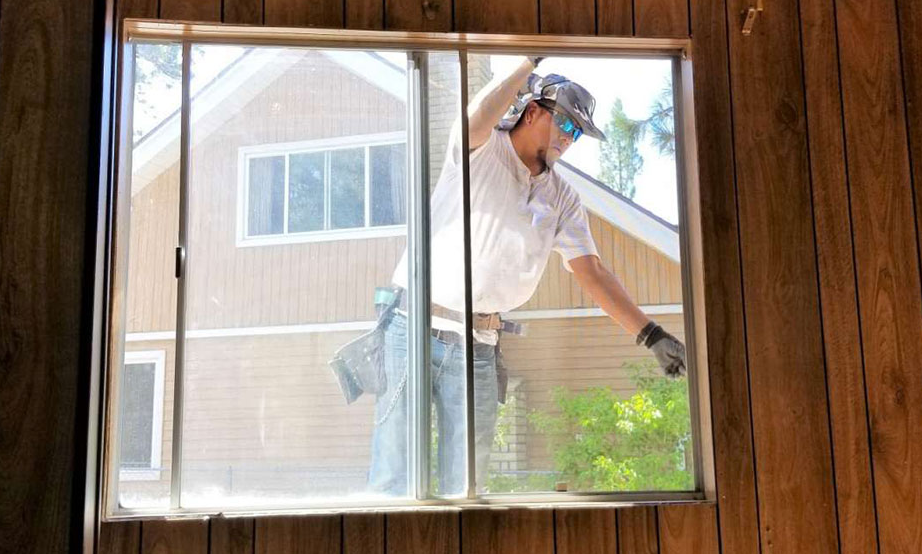
Glass and window services might seem like a simple industry at first glance—replace a broken pane, install a window, maybe add a decorative touch. But in reality, this field is far more complex and essential to modern living than most people realize. Whether you’re a homeowner upgrading your house, a property manager maintaining an apartment building, or a business owner improving your storefront, professional glass and window services play a critical role in comfort, security, and energy efficiency.
Think about how much we rely on windows every day. They allow natural light to pour into our homes, give us views of the outside world, and help regulate indoor temperature. At the same time, they must protect us from weather, noise, and security threats. A poorly installed or damaged window can lead to higher energy bills, water leaks, or even safety hazards.
Clear View Glass Company cover a wide range of solutions, including window installation, glass repair, replacement, customization, and maintenance. Many companies also provide specialized services such as insulated glass installation, storefront glass systems, decorative glass panels, and safety glazing.
What Are Professional Glass Services?
Professional glass services refer to the specialized installation, repair, customization, and maintenance of glass structures in residential, commercial, and industrial environments. While many people associate these services with fixing broken windows, the industry actually encompasses a wide range of advanced solutions that combine engineering, craftsmanship, and modern technology.
At its core, a glass service provider works with multiple types of glass products, including window panes, glass doors, mirrors, partitions, skylights, shower enclosures, storefront systems, and curtain walls. Each of these installations requires careful measurement, precision cutting, and proper sealing to ensure durability and safety. A professional glazier—the skilled technician who installs glass—must understand how different materials behave under pressure, temperature changes, and environmental exposure.
One of the most common services is glass repair and replacement. Imagine a cracked window caused by a storm or accidental impact. Leaving it unrepaired can lead to air leaks, moisture infiltration, and security risks. A trained glass technician evaluates the damage and determines whether the glass can be repaired or if the entire unit needs replacement. In many modern windows, glass panels are sealed within insulated units, meaning the whole assembly must be replaced rather than a single pane.
Another major aspect of professional glass services is custom fabrication. Many homeowners and architects want unique glass designs—think frameless shower doors, glass railings, or elegant glass staircases. These installations require precise cutting, polishing, tempering, and finishing to meet safety standards while delivering a visually striking result.
Why Window Services Are Essential for Modern Buildings
Modern buildings rely heavily on windows—not just for aesthetics but for performance. In fact, windows influence everything from energy efficiency and indoor comfort to security and property value. That’s why professional window services have become an essential part of both residential and commercial property management.
Security is also a major concern. Modern window systems often include reinforced frames, laminated safety glass, and advanced locking mechanisms that make buildings much harder to break into. Businesses in particular rely on durable glass systems to protect valuable inventory while still maintaining attractive storefront displays.
Beyond function, windows dramatically impact the appearance and atmosphere of a space. Natural light has been shown to improve mood, productivity, and even sleep patterns. Many architects now design buildings with larger windows, glass walls, and skylights to create bright and open environments. Professional window services help achieve these designs while ensuring the structures remain safe and efficient.
Maintenance is another overlooked but important aspect. Over time, window seals can fail, hardware can wear out, and frames can warp due to temperature fluctuations. Regular inspections and repairs extend the lifespan of windows and prevent small problems from becoming expensive replacements.
Types of Glass Used in Windows
When people look at a window, they usually see just a clear sheet of glass. In reality, that transparent surface can be made from several specialized materials designed for different purposes. Modern window technology has evolved significantly over the past few decades, introducing glass types that improve safety, insulation, durability, and even soundproofing.
Understanding the different types of glass used in windows is crucial when choosing new installations or replacements. The right glass can lower energy bills, increase security, and make a home more comfortable year-round. On the other hand, using the wrong type of glass in certain areas can create safety risks or reduce efficiency.
Manufacturers today produce several advanced glass options, each with unique properties. Some are engineered to withstand impact, others are designed to prevent heat loss, and some even include special coatings that reflect ultraviolet radiation. These innovations are why modern windows perform far better than those installed just twenty or thirty years ago.
The most common glass types used in windows include:
- Tempered glass for safety and strength
- Laminated glass for security and sound reduction
- Insulated glass units (IGU) for energy efficiency
Each type serves a different role depending on the building’s needs. For example, bathroom windows or glass doors often require tempered glass because it shatters safely instead of breaking into dangerous shards. Storefronts may use laminated glass that holds together even after impact, providing an extra layer of protection.
Architects and builders often combine these glass types with advanced coatings like Low-E (low emissivity) coatings, which help regulate heat transfer and block harmful UV rays. This technology is one of the reasons modern buildings can achieve higher energy ratings and environmental certifications.
Tempered Glass
When it comes to safety and durability, tempered glass is one of the most widely used materials in modern window systems. Often referred to as toughened glass, this type of glass is specially treated through a controlled heating and rapid cooling process that significantly increases its strength compared to standard glass. The result is a product that can withstand heavy impact, high temperatures, and sudden pressure changes without easily breaking.
The manufacturing process behind tempered glass is fascinating. First, regular glass is cut and shaped to the desired size. Then it is heated to temperatures of around 620°C (1148°F) before being rapidly cooled using high-pressure air jets. This rapid cooling creates compressive stress on the surface while the inner layers remain in tension. That balance of forces is what gives tempered glass its impressive strength—up to four to five times stronger than regular annealed glass.
Laminated Glass
While tempered glass focuses primarily on strength, laminated glass is designed with an additional priority in mind: security and structural integrity even after breakage. This type of glass consists of two or more layers of glass bonded together by a thin but extremely strong plastic interlayer, usually made of polyvinyl butyral (PVB) or ethylene-vinyl acetate (EVA).
Laminated glass offers several advantages that make it popular in both residential and commercial construction:
- Enhanced security: Because the glass remains bonded after impact, it is much harder for intruders to break through.
- Sound reduction: The plastic interlayer absorbs sound vibrations, making laminated glass effective for noise reduction in busy urban areas.
- UV protection: Laminated glass can block up to 99% of ultraviolet rays, protecting furniture, flooring, and artwork from fading.
- Storm resistance: In hurricane-prone regions, laminated glass is often used to meet strict impact-resistance standards.
Insulated Glass Units (IGU)
If tempered glass focuses on strength and laminated glass focuses on security, Insulated Glass Units (IGUs) focus on something equally important: energy efficiency. In today’s world of rising energy costs and environmental awareness, IGUs have become the standard choice for modern windows.
An insulated glass unit consists of two or more glass panes separated by a spacer and sealed together to create a sealed airspace between them. This airspace is often filled with inert gases such as argon or krypton, which improve insulation by slowing heat transfer.
The science behind IGUs is surprisingly simple but extremely effective. Heat naturally moves from warm areas to cooler areas. In a single-pane window, heat passes through the glass easily. But when two panes are separated by a sealed air or gas layer, the transfer of heat becomes much slower. This creates a powerful insulating barrier.
The benefits of insulated glass units include:
- Lower energy bills due to reduced heating and cooling demands
- Improved indoor comfort by minimizing drafts and temperature fluctuations
- Reduced condensation on interior glass surfaces
- Better sound insulation compared to single-pane windows
Residential Glass and Window Services
For homeowners, glass and window services go far beyond fixing a cracked pane. They play a major role in improving comfort, increasing property value, and enhancing the overall appearance of a home. Windows influence everything from lighting and ventilation to insulation and security.
Many homeowners only think about their windows when something goes wrong—maybe a storm breaks a pane or a window begins leaking air during winter. But proactive window services can prevent these issues and dramatically improve a home’s efficiency and aesthetics.
Residential glass services typically include installation, repair, replacement, and upgrades. Professionals work with various window types such as casement windows, double-hung windows, sliding windows, and bay windows. Each design has unique installation requirements and performance benefits.
Aesthetic improvement is another major reason people invest in residential glass services. Windows influence curb appeal and interior design. Large panoramic windows, custom glass doors, and elegant glass railings can transform an ordinary home into a visually stunning space.
Professional window technicians also ensure that installations comply with local building codes and safety regulations. Improperly installed windows can lead to structural problems, water damage, and costly repairs later.
Window Installation for New Homes
Building a new home is one of the most exciting projects a person can undertake, and window installation plays a crucial role in shaping both the look and performance of the finished structure. Windows determine how much natural light enters the home, how well the interior stays insulated, and how the house interacts with its surrounding environment.
Professional window installation begins long before the actual glass is placed into the wall. Contractors first evaluate architectural plans to determine the best window styles and placements. Orientation matters a great deal. For example, south-facing windows in colder climates can capture sunlight and help naturally warm the home, while shaded or energy-efficient windows may be better suited for areas with intense summer heat.
Modern homes often feature a variety of window types, including:
| Window Type | Key Feature | Common Location |
|---|---|---|
| Double-hung | Two sliding sashes | Bedrooms |
| Casement | Hinged side opening | Kitchens |
| Sliding | Horizontal movement | Living rooms |
| Bay or bow | Extended outward design | Front facades |
Proper installation is essential for preventing issues such as air leaks, water intrusion, and frame warping. Professional installers use specialized materials including flashing tape, waterproof membranes, and insulation foam to create airtight seals around the window frame.
Window Repair and Glass Replacement
Even the best windows eventually require repair or replacement. Weather exposure, accidental damage, aging materials, and structural movement can all affect window performance over time. When problems arise, professional glass and window repair services help restore both functionality and safety.
One of the most common issues homeowners face is cracked or shattered glass. This can occur due to storms, flying debris, temperature stress, or accidental impacts. A damaged pane compromises insulation and security, making quick repair essential.
Hardware issues are also common. Over time, window locks, hinges, and sliding tracks may wear out. Repairing these components can restore smooth operation without requiring a full window replacement.
Energy-Efficient Window Upgrades
Energy efficiency has become one of the most important reasons homeowners invest in modern window upgrades. Older windows—especially single-pane designs—allow significant heat transfer, which forces heating and cooling systems to work harder.
Upgrading to energy-efficient windows can dramatically improve a home’s thermal performance. These modern windows often feature double or triple panes, gas-filled insulation chambers, and Low-E coatings that reflect heat and block ultraviolet radiation.
Conclusion
Glass and window services are far more important than most people realize. They influence energy efficiency, security, aesthetics, and overall building performance. Whether installing windows in a new home, repairing damaged glass, or upgrading to advanced insulated systems, professional services ensure the job is done safely and effectively.
Modern innovations such as tempered glass, laminated glass, and insulated glass units have transformed ordinary windows into high-performance building components. These technologies help reduce energy consumption, improve indoor comfort, and provide stronger protection against accidents and break-ins.
