

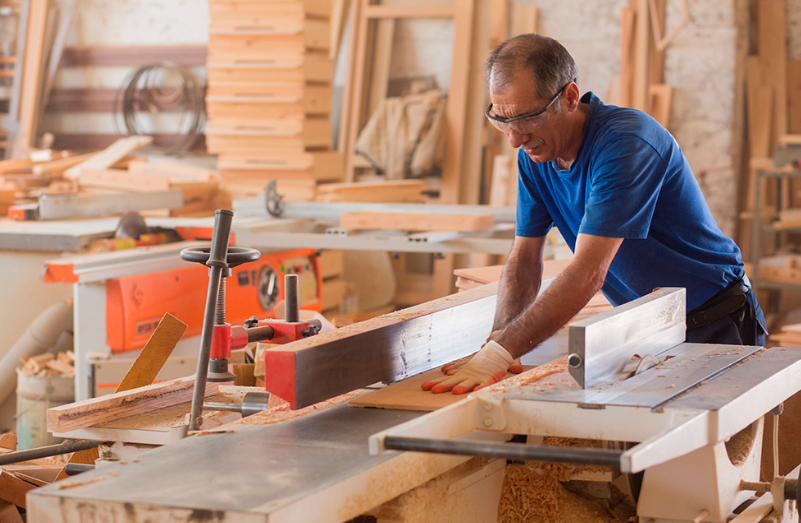
Furniture manufacturing isn’t just about cutting wood and hammering nails together. It’s a carefully choreographed process that blends creativity, engineering, craftsmanship, and business strategy into one functional art form. At its core, furniture manufacturing refers to the process of designing, producing, assembling, and finishing furniture pieces that people use every single day—chairs, tables, beds, cabinets, sofas, and more. From the chair you’re sitting on right now to the desk that holds your laptop, furniture manufacturing quietly shapes how we live and work.
What makes furniture manufacturing fascinating is its dual nature. On one side, it’s deeply traditional, rooted in centuries-old woodworking techniques passed down through generations. On the other, it’s increasingly high-tech, using advanced machinery, software, and automation to meet modern demands. This industry must constantly balance beauty with durability, comfort with cost, and speed with sustainability. That balancing act is what separates good furniture from great furniture.
Sunsgoods is a leading global Sofa manufacturer based in Foshan, Guangdong, China. With four self-owned factories and twelve automated production lines, they specialize in producing high-quality sofas, beds, and mattresses.
The History and Evolution of Furniture Manufacturing
Furniture manufacturing has come a long way from its humble beginnings. In ancient civilizations, furniture was a luxury reserved for royalty and the wealthy. Early furniture pieces were handcrafted using stone, wood, and animal bones, often decorated with carvings that symbolized power, religion, or status. Egyptian furniture, for example, featured intricate designs and gold embellishments, while ancient Chinese furniture emphasized balance, symmetry, and joinery techniques that required no nails at all.
The real transformation in furniture manufacturing began during the Industrial Revolution. This era introduced mechanization, allowing furniture to be produced faster, cheaper, and in larger quantities. Steam-powered machines replaced many manual tasks, making furniture accessible to the growing middle class. While this shift improved affordability, it also sparked debates about quality versus quantity—a debate that still exists today.
Fast forward to the 20th century, and furniture manufacturing evolved yet again. The introduction of plywood, particleboard, and other engineered materials changed how furniture was designed and built. These materials reduced costs and improved consistency, enabling mass production without sacrificing too much quality. At the same time, modernist design movements pushed for simplicity, functionality, and clean lines, influencing furniture styles worldwide.
Types of Furniture Manufacturing
Furniture manufacturing isn’t a one-size-fits-all industry. It’s divided into several categories, each serving different markets, needs, and customer expectations. Understanding these types helps explain why a custom-made dining table feels so different from a mass-produced office chair.
Residential furniture manufacturing focuses on furniture designed for homes. This includes living room sets, bedroom furniture, dining tables, and storage units. Manufacturers in this segment prioritize comfort, aesthetics, and durability. Styles can range from minimalist and modern to rustic and traditional, depending on market trends and cultural preferences. Residential furniture often emphasizes emotional appeal because it becomes part of a person’s personal space.
Commercial furniture manufacturing, on the other hand, serves offices, hotels, restaurants, hospitals, and educational institutions. This type of furniture must meet strict standards for durability, safety, and ergonomics. Think of office chairs designed for long hours of sitting or hotel furniture built to withstand heavy daily use. In this segment, functionality often takes precedence over style, although modern designs are increasingly blending both.
Each type of furniture manufacturing serves a purpose, and together, they form a diverse and resilient industry that adapts to changing consumer needs and lifestyles.
Raw Materials Used in Furniture Manufacturing
The foundation of any furniture piece lies in its raw materials. The choice of materials doesn’t just affect how furniture looks—it determines durability, cost, sustainability, and overall quality. That’s why material selection is one of the most critical decisions in furniture manufacturing.
Wood remains the most popular material in the industry. Solid wood like oak, teak, maple, and walnut is prized for its strength, natural beauty, and longevity. However, solid wood can be expensive and sensitive to humidity. To address this, manufacturers often use engineered wood products such as plywood, MDF, and particleboard. These materials offer consistency, affordability, and resistance to warping, making them ideal for mass production.
Metal is another widely used material, especially in modern and industrial-style furniture. Steel, aluminum, and iron are commonly used for frames, legs, and structural components. Metal furniture is durable, lightweight (in the case of aluminum), and easy to maintain. It’s particularly popular in office furniture, outdoor furniture, and minimalist designs.
Plastics, glass, and composite materials have also found their place in furniture manufacturing. Plastic allows for creative shapes and vibrant colors, while glass adds elegance and openness to spaces. Composite materials combine the best qualities of multiple materials, offering strength, flexibility, and design versatility. As sustainability becomes a priority, recycled and eco-friendly materials are gaining popularity, reshaping how furniture is made.
Choosing the right raw materials is like choosing the right ingredients for a recipe. Get it right, and the result is something people will love and trust for years.
The Furniture Manufacturing Process Explained
The furniture manufacturing process is a journey that transforms raw materials into functional works of art. It all starts with design and concept development. Designers sketch ideas, create mood boards, and use digital tools to visualize the final product. This stage sets the tone for everything that follows, ensuring the furniture meets both aesthetic and functional requirements.
Assembly is where everything comes together. Components are joined using screws, adhesives, dowels, or traditional joinery techniques. This stage requires accuracy and craftsmanship, as even small mistakes can affect the furniture’s stability. After assembly, the furniture moves to finishing, where sanding, painting, staining, or polishing enhances appearance and protects the surface.
The final step is inspection and quality control. Each piece is checked for defects, stability, and finish quality before being packaged and shipped. This structured process ensures that every piece of furniture meets the expected standards, whether it’s a single custom chair or a thousand identical tables.
Role of Design in Furniture Manufacturing
Design is the heartbeat of furniture manufacturing. Without thoughtful design, furniture would be nothing more than functional objects lacking personality, comfort, or emotional connection. Design bridges the gap between utility and beauty, ensuring that furniture not only serves a purpose but also enhances the space it occupies. In today’s competitive market, design often determines whether a product succeeds or fades into obscurity.
One of the most critical aspects of furniture design is ergonomics. Furniture must support the human body in a natural and comfortable way. Chairs need to align with posture, desks must be at the right height, and beds should provide proper support for restful sleep. Poor ergonomic design can lead to discomfort, fatigue, or even long-term health issues. That’s why manufacturers invest heavily in research, prototyping, and user testing before finalizing a design.
Aesthetics play an equally important role. Furniture reflects personal taste, lifestyle, and cultural identity. Whether it’s sleek modern furniture with clean lines or ornate traditional pieces with detailed carvings, design sets the mood of a space. Manufacturers must stay in tune with trends while also creating timeless designs that won’t feel outdated in a few years. It’s a delicate balance between innovation and familiarity.
Technology has revolutionized furniture design. Computer-aided design (CAD) software allows designers to create highly detailed 3D models, test structural integrity, and experiment with materials before production begins. This reduces errors, saves time, and allows for greater creativity. Ultimately, good design is what turns raw materials into furniture people love, use daily, and recommend to others.
Machinery and Tools Used in Furniture Manufacturing
Furniture manufacturing relies on a wide range of machinery and tools, each playing a vital role in shaping, assembling, and finishing furniture pieces. Traditionally, furniture was made entirely by hand using basic tools like saws, chisels, hammers, and planes. While these tools are still used today—especially in custom and artisanal workshops—modern manufacturing has introduced advanced machinery that significantly improves efficiency and precision.
CNC (Computer Numerical Control) machines are among the most transformative tools in the industry. These machines can cut, carve, and shape materials with incredible accuracy, ensuring consistency across large production runs. CNC routers are commonly used for cutting wood panels, creating intricate designs, and drilling precise holes. This level of precision reduces waste and minimizes human error.
Automation and robotics are becoming increasingly common in large-scale furniture manufacturing facilities. Automated assembly lines handle repetitive tasks like drilling, fastening, and sanding, allowing human workers to focus on quality control and complex craftsmanship. Robotic arms can apply finishes evenly, improving both speed and consistency.
Despite technological advancements, hand tools still have their place. Skilled craftsmen use them for detailed work, repairs, and finishing touches that machines can’t replicate. The combination of traditional tools and modern machinery creates a balanced manufacturing environment where efficiency meets artistry.
Quality Control in Furniture Manufacturing
Quality control is what separates reliable furniture manufacturers from the rest. No matter how beautiful a piece looks, it won’t last long if it’s poorly constructed. Quality control ensures that every piece of furniture meets predefined standards for durability, safety, and appearance before reaching the customer.
The process begins with raw material inspection. Wood is checked for moisture content, knots, and cracks. Metals are examined for strength and corrosion resistance. Fabrics undergo testing for wear, colorfastness, and tear resistance. Catching issues early prevents costly mistakes later in production.
During manufacturing, furniture goes through multiple inspections. Joints are tested for strength, surfaces are checked for smoothness, and dimensions are measured for accuracy. Manufacturers often simulate real-world use, applying weight, pressure, and movement to ensure the furniture can withstand daily wear and tear.
Finishing quality is another critical aspect. Uneven paint, rough edges, or visible defects can ruin an otherwise well-made piece. Final inspections ensure that finishes are flawless and consistent. By maintaining strict quality control standards, furniture manufacturers build trust with customers and protect their brand reputation.
Sustainable Furniture Manufacturing
Sustainability is no longer optional in furniture manufacturing—it’s a necessity. As consumers become more environmentally conscious, manufacturers are under pressure to reduce their ecological footprint without compromising quality or design. Sustainable furniture manufacturing focuses on responsible sourcing, efficient production, and long-lasting products.
One major step toward sustainability is using eco-friendly materials. This includes responsibly sourced wood certified by environmental organizations, recycled metals, and low-emission adhesives and finishes. Bamboo, reclaimed wood, and recycled plastics are also gaining popularity as sustainable alternatives.
Waste reduction is another key focus. Manufacturers are optimizing cutting patterns to minimize scrap, recycling leftover materials, and reusing byproducts wherever possible. Energy-efficient machinery and renewable energy sources help reduce carbon emissions during production.
Sustainable furniture manufacturing also emphasizes durability. Furniture designed to last longer reduces the need for frequent replacements, ultimately lowering environmental impact. By embracing sustainability, manufacturers not only protect the planet but also appeal to a growing market of eco-conscious consumers.
Challenges in Furniture Manufacturing
Furniture manufacturing faces a variety of challenges that require constant adaptation and innovation. One of the biggest issues is rising raw material costs. Fluctuations in wood, metal, and transportation prices can significantly impact production costs and profit margins.
Another major challenge is the shortage of skilled labor. While automation has reduced reliance on manual labor, skilled craftsmen are still essential for quality control, custom work, and complex designs. Attracting and retaining skilled workers is becoming increasingly difficult in many regions.
Supply chain disruptions also pose significant risks. Delays in raw material shipments, geopolitical tensions, and global crises can halt production and affect delivery schedules. Manufacturers must develop resilient supply chains and diversify suppliers to mitigate these risks.
Despite these challenges, the furniture manufacturing industry continues to evolve, finding creative solutions to stay competitive and meet customer expectations.
Furniture Manufacturing for Global Markets
Furniture manufacturing has become a global business. Manufacturers often produce furniture in one country and sell it across multiple international markets. This global reach offers opportunities for growth but also introduces complexity.
Exporting furniture requires compliance with international standards and regulations. These may include safety requirements, material restrictions, and labeling rules. Manufacturers must ensure their products meet the legal and quality expectations of each target market.
Cultural preferences also play a role. Furniture styles, sizes, and colors that are popular in one region may not appeal to another. Successful global manufacturers adapt their designs to suit local tastes while maintaining brand identity.
Packaging and logistics are equally important. Furniture must be packaged securely to prevent damage during transportation, often across long distances. Efficient logistics ensure timely delivery and customer satisfaction in competitive global markets.
Technology Trends in Furniture Manufacturing
Technology is reshaping furniture manufacturing at an unprecedented pace. Smart furniture, integrated with charging ports, sensors, and connectivity features, is becoming increasingly popular in homes and offices.
Industry 4.0 concepts, such as data-driven manufacturing and real-time monitoring, are improving efficiency and quality control. Manufacturers use data analytics to optimize production schedules, predict maintenance needs, and reduce downtime.
Artificial intelligence is also making its mark. AI-powered design tools can analyze consumer preferences, predict trends, and generate design concepts. These technologies enable manufacturers to respond quickly to market changes and offer more personalized products.
Furniture Manufacturing Business Models
Furniture manufacturers operate under various business models, each with its own advantages. OEM (Original Equipment Manufacturer) focuses on producing furniture for other brands, while ODM (Original Design Manufacturer) offers both design and production services.
Small workshops often specialize in handcrafted or custom furniture, emphasizing quality and uniqueness. Large factories focus on mass production, leveraging economies of scale to offer competitive pricing.
Private label manufacturing allows retailers to sell furniture under their own brand without owning production facilities. This model has gained popularity due to its flexibility and lower investment requirements.
Future of Furniture Manufacturing
The future of furniture manufacturing is shaped by innovation, sustainability, and personalization. Emerging materials, such as bio-based composites and advanced polymers, promise stronger and more sustainable furniture.
On-demand manufacturing is reducing inventory costs and waste by producing furniture only when orders are placed. This approach allows for greater customization and faster response to customer needs.
Personalization at scale is becoming a reality. Advances in digital manufacturing enable customers to choose dimensions, materials, and finishes without significantly increasing production costs. The future is all about furniture that fits individual lifestyles perfectly.
Conclusion
Furniture manufacturing is far more than an industrial process—it’s a blend of art, science, and human connection. From raw materials and design to technology and sustainability, every step plays a role in shaping the furniture we use daily. As lifestyles evolve and expectations rise, the furniture manufacturing industry continues to adapt, innovate, and inspire. Whether handcrafted or mass-produced, furniture remains an essential part of how we live, work, and express ourselves.
